NO. 1
Observations at junctions
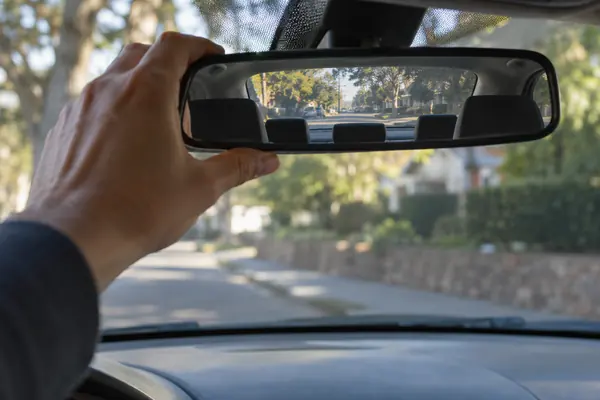
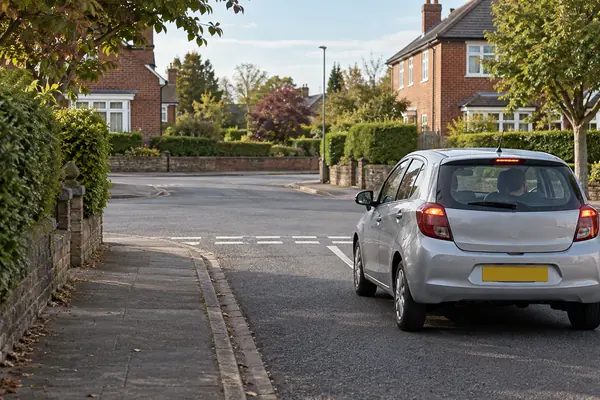
Looking too late, misjudging an approaching car or not looking left when turning left all count under ‘Junctions - Observations’.
Check a fault doodletest
Start
WHAT DVSA SAYS
Most fails start at a junction.
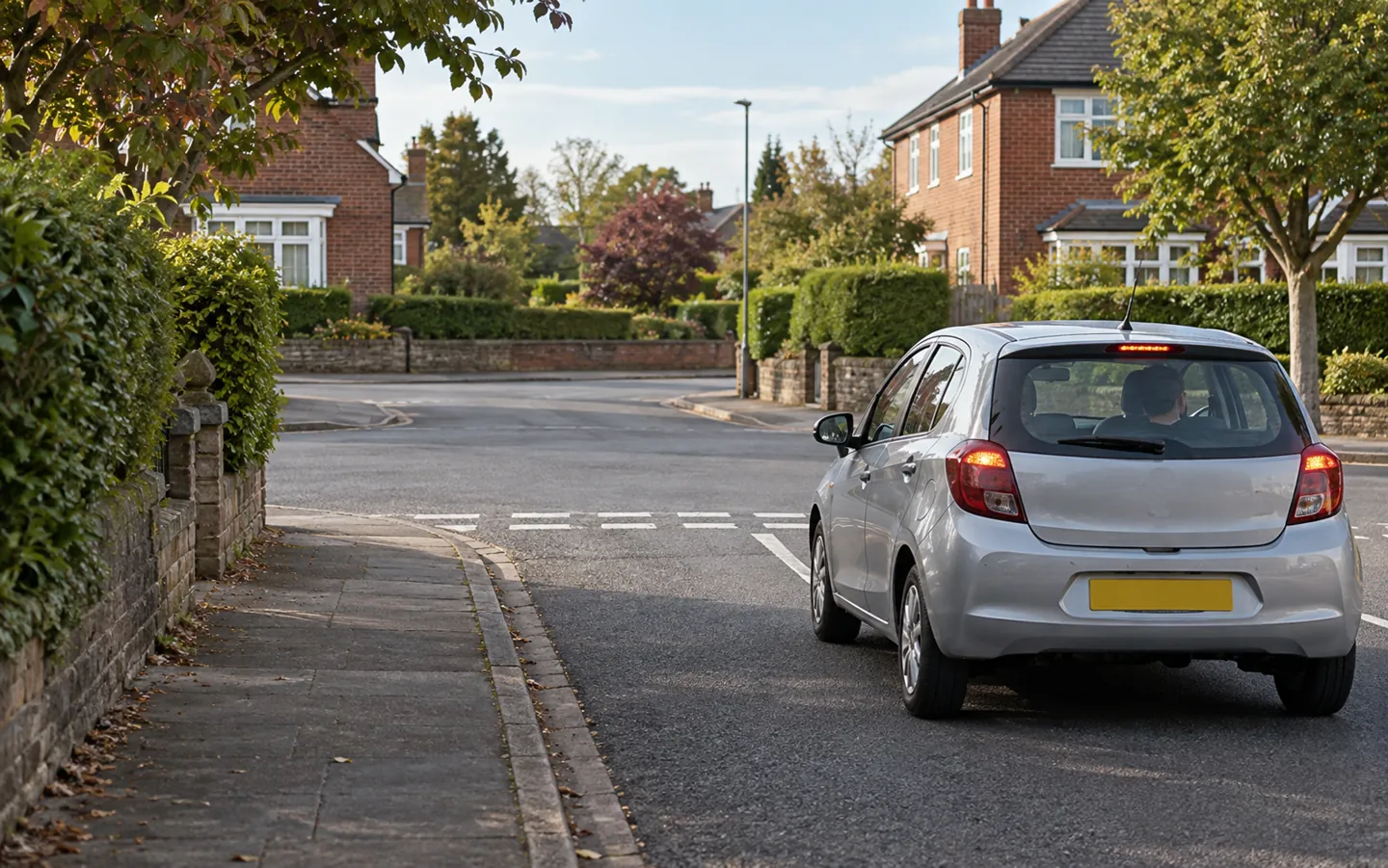
The car driving test lasts around 35 minutes. DVSA’s list of the top reasons for failing is led by everyday moments: pulling out of a junction, checking mirrors and moving off from the kerb.
15 MINORSno serious faults
Check a faultKeep in mind
THE SHORT ANSWER
DVSA’s list for April 2024 to March 2025.
All three are about looking before you move.
NO. 1
Looking too late, misjudging an approaching car or not looking left when turning left all count under ‘Junctions - Observations’.
Check a faultNO. 2
DVSA expects mirror - signal - manoeuvre every time, including when changing lanes on roundabouts and dual carriageways.
The test, step by stepNO. 3
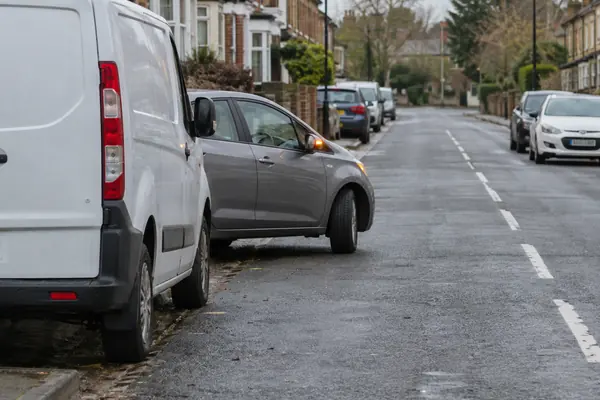
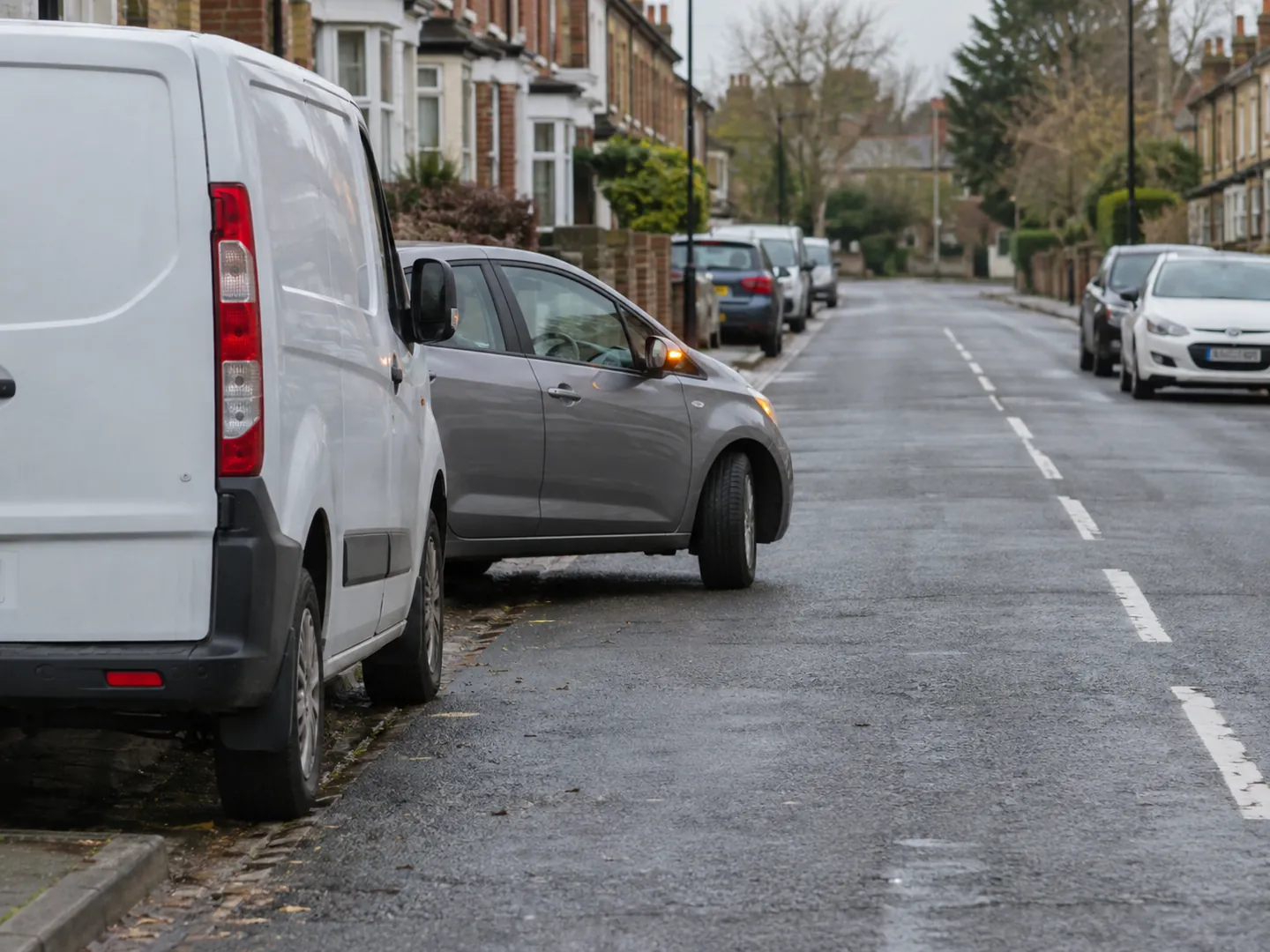
Pulling out from the kerb, on a hill or from behind a parked vehicle without the right checks, or into the path of traffic.
See the numbersA QUICK FAULT CHECK
Pick something that might happen on test to see how DVSA treats it. The bar shows how much it puts the result at risk.
Based on GOV.UK guidance, Driving test: cars (faults and your result; what happens during the test).
TWO NUMBERS WORTH KNOWING
How many car tests end in a pass,
and why DVSA puts observations first.
48.9%
Car practical tests passed, July–September 2024
449,000 car practical tests were conducted in Great Britain that quarter. The car theory test pass rate was lower, at 45.7%.
PASS RATE · DfT/DVSA
47%
Collisions where poor observation was a factor
DVSA says ineffective observation by a driver, rider or pedestrian was a factor in 47% of all collisions in 2023.
COLLISIONS · DVSA
DVSA also notes that drivers or riders overshooting junctions or making poor turns or manoeuvres was a factor in 1 in 8 reported collisions in Great Britain in 2023.
THE FOUR PARTS
The test is the same in manual and automatic cars. GOV.UK sets out four parts and around 35 minutes of driving.
Step 1
Read a number plate from 20 metres, or 20.5 metres for an old-style plate.
Step 2
One vehicle safety question before you drive, and one while you are driving.
Step 3
Around 20 to 35 minutes following a sat nav, traffic signs or both, but not on motorways.
Step 4
Parallel parking, a parking bay, or pulling up on the right and reversing about 2 car lengths.
THE REST OF THE TOP 10
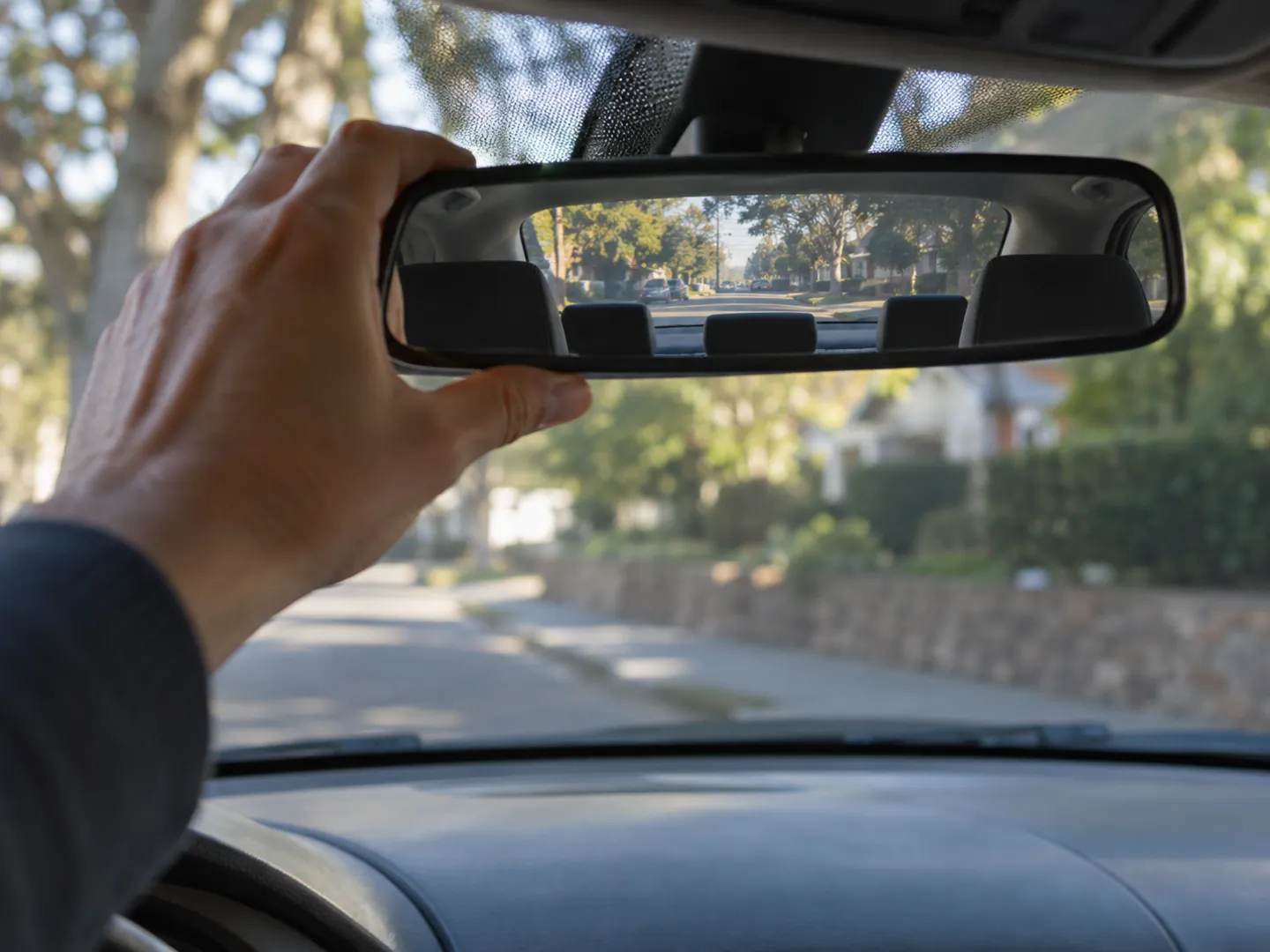
After junctions, mirrors and moving off, DVSA lists: positioning when turning right at junctions, responding to traffic lights, control of the steering, road markings, traffic signs, positioning in normal driving and speed.
DVSA’s advice is direct: if you regularly make these mistakes in lessons or private practice, you are not ready to take the test. There are 27 driving skills in all, and no minimum number of lessons.
Questions
Up to 15 driving faults, sometimes called minors, with no serious or dangerous faults, according to GOV.UK.
For April 2024 to March 2025, DVSA’s top reason was not making effective observations at junctions, followed by mirrors when changing direction and moving off safely.
You drive for around 35 minutes, including 20 to 35 minutes of independent driving. The extended test after a driving ban is around 65 minutes.
In July to September 2024 the car practical test pass rate in Great Britain was 48.9%, and the car theory test pass rate was 45.7%.
No. GOV.UK says the examiner will not give you a fault for taking a wrong turning and will help you back onto the route.
Destination
ABOUT THIS NAME
doodletest.com is part of the DoodleSale portfolio. It isn't in an auction right now, but you can ask about leasing it.